Kenya

Kenya
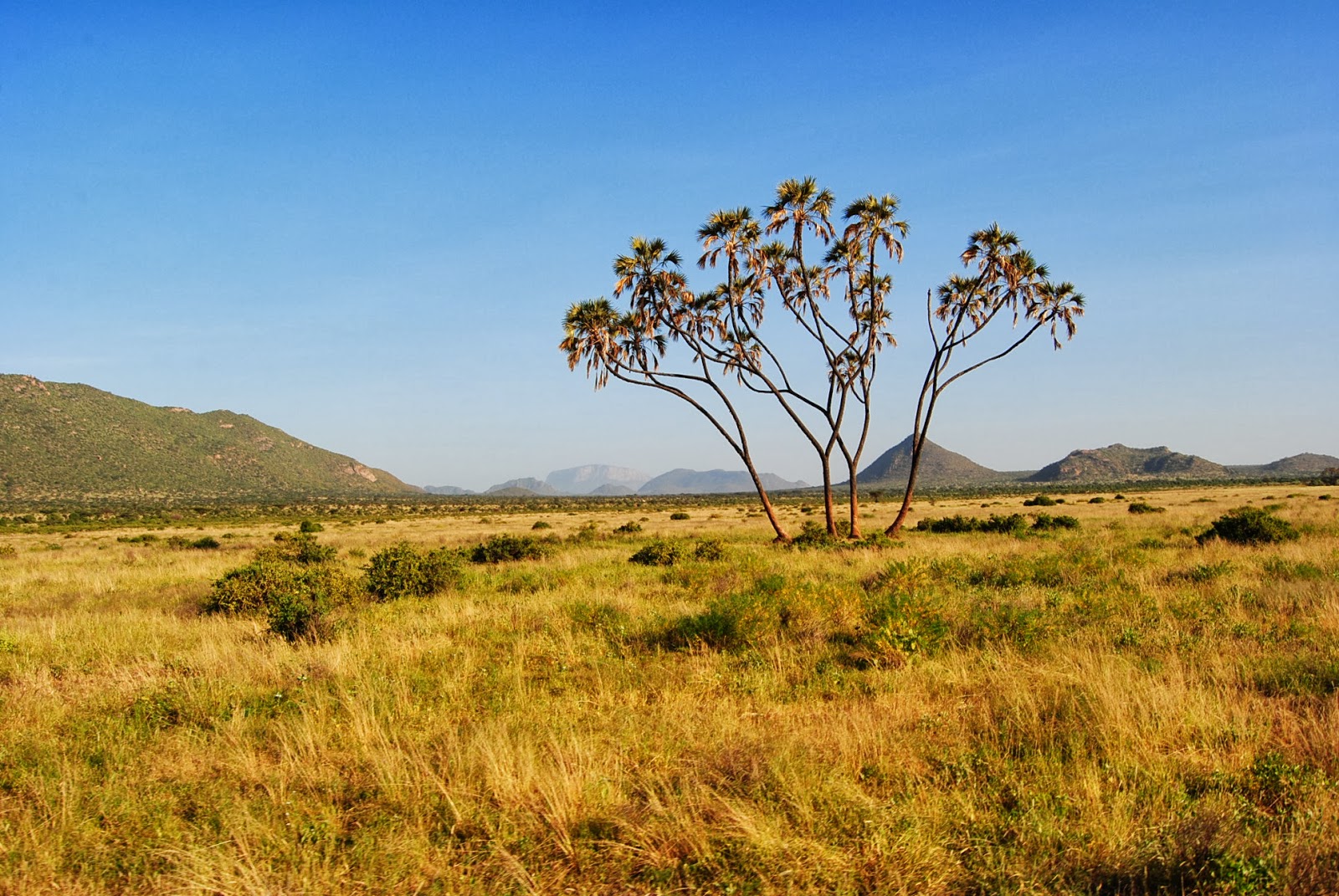
one of our favorite sights

Sunday, January 19, 2014

From Mt. Elgon to Mt. Kenya--A Wild Journey in Four Parts

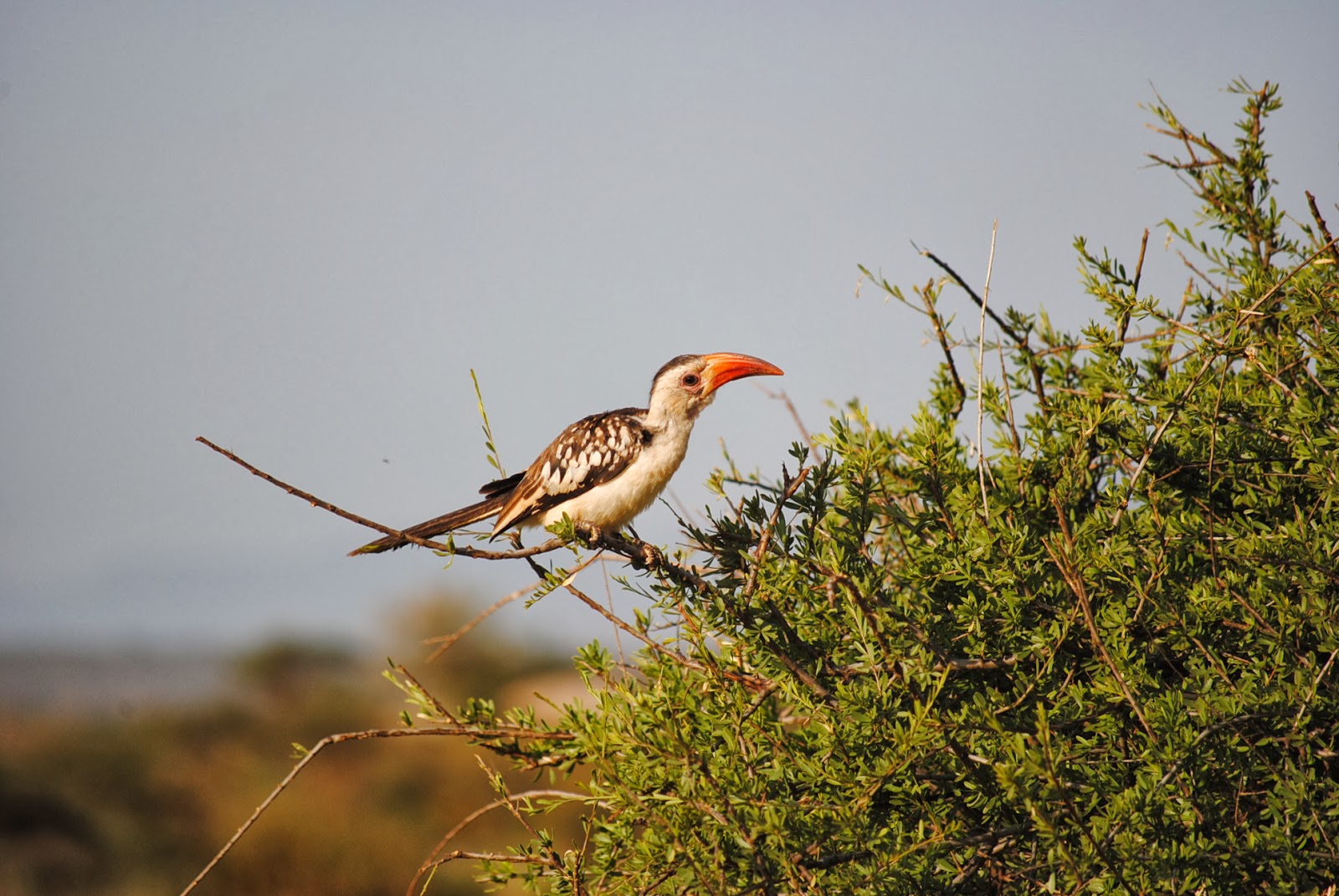
hornbill

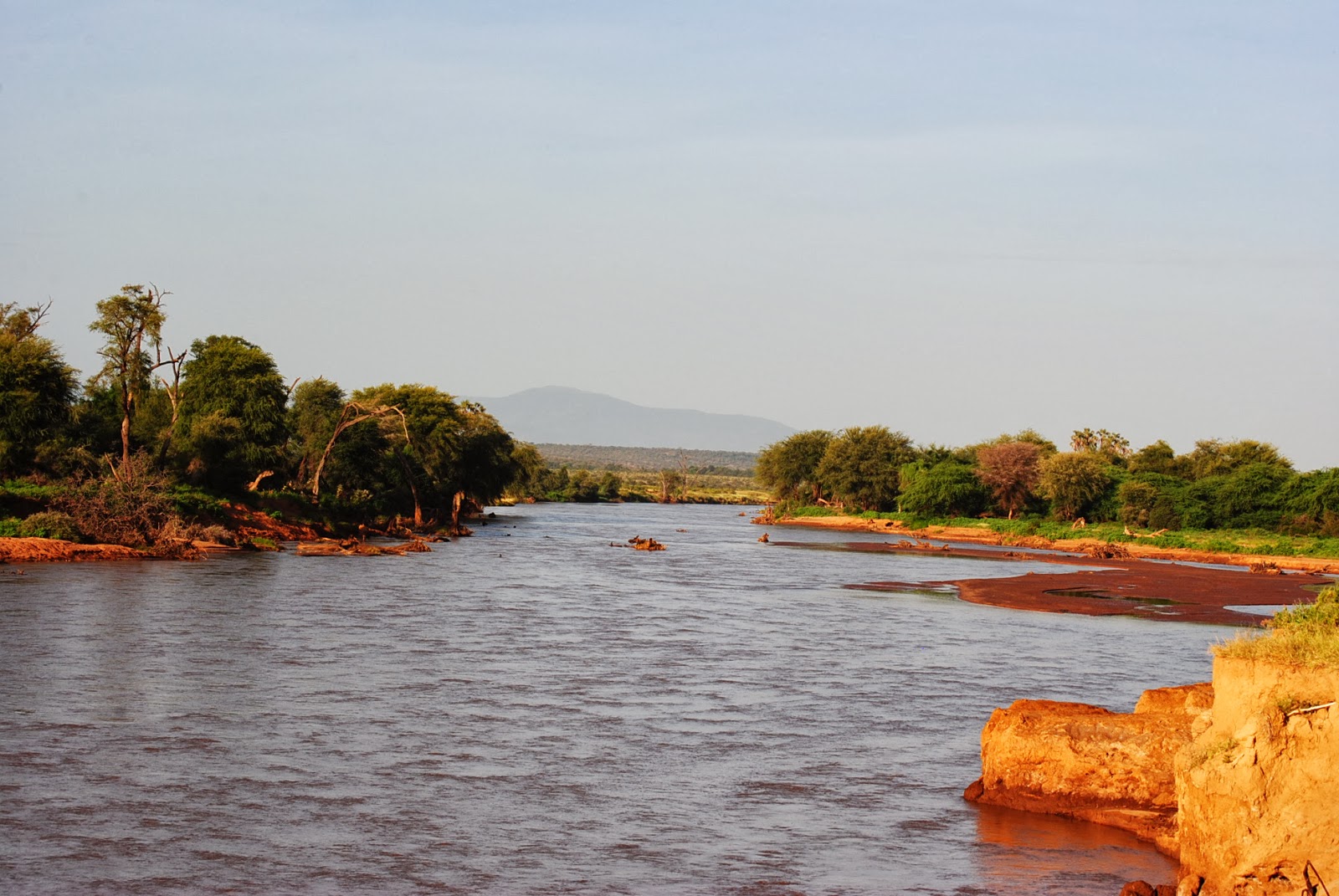
river in Samburu reserve

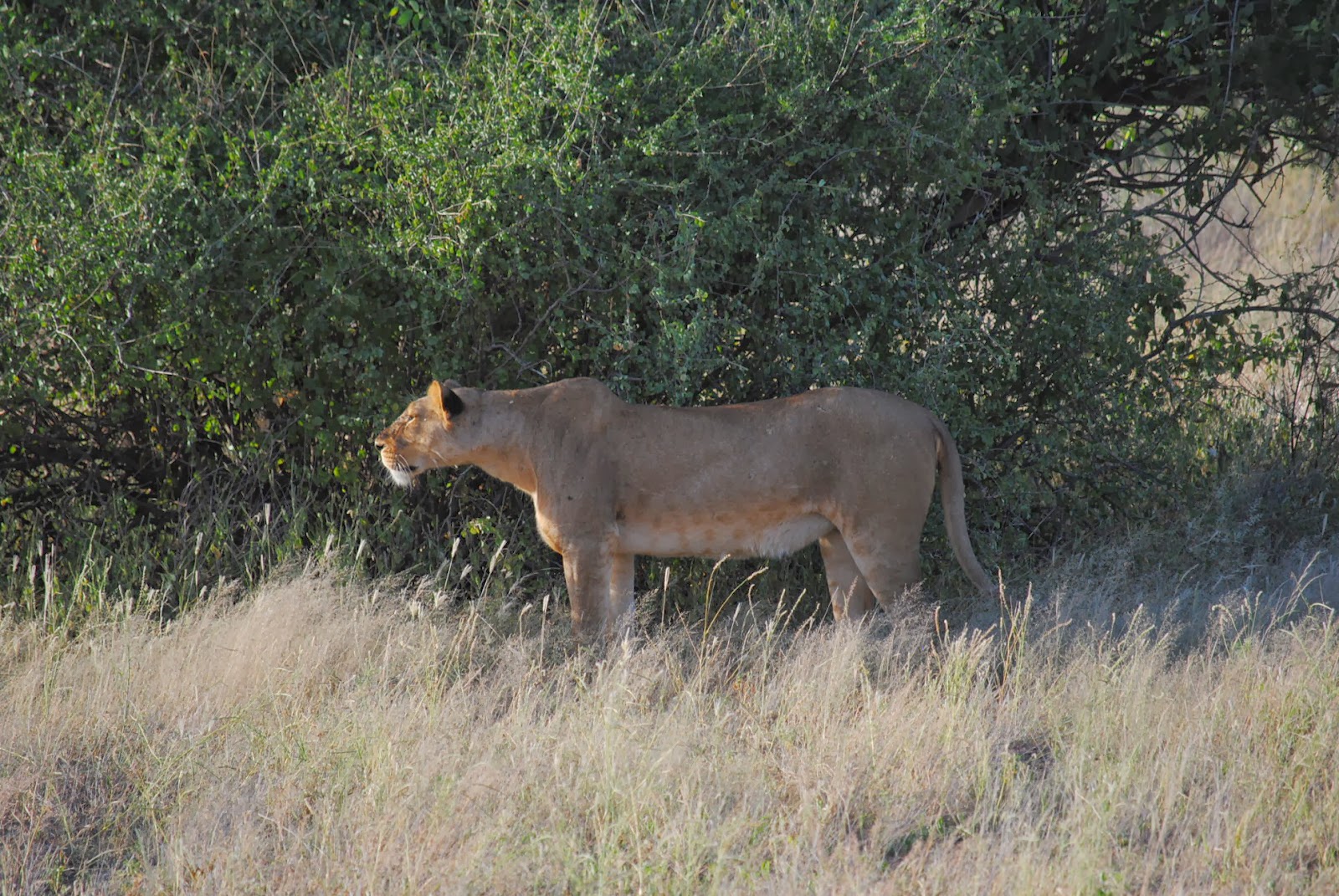
lion  looking at prey

samburu National Reserve

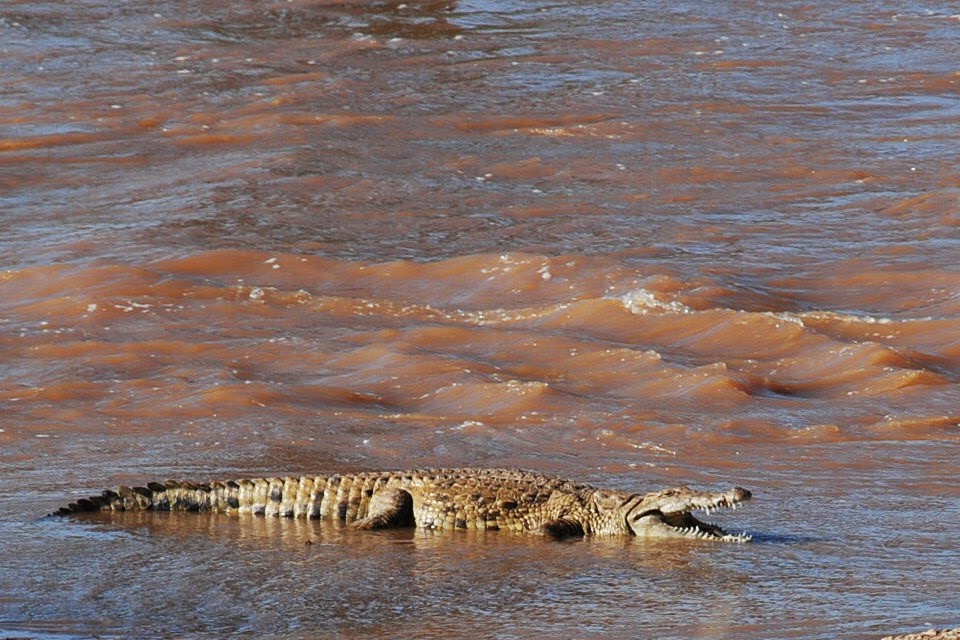
one of my buddies in the river in Samburu
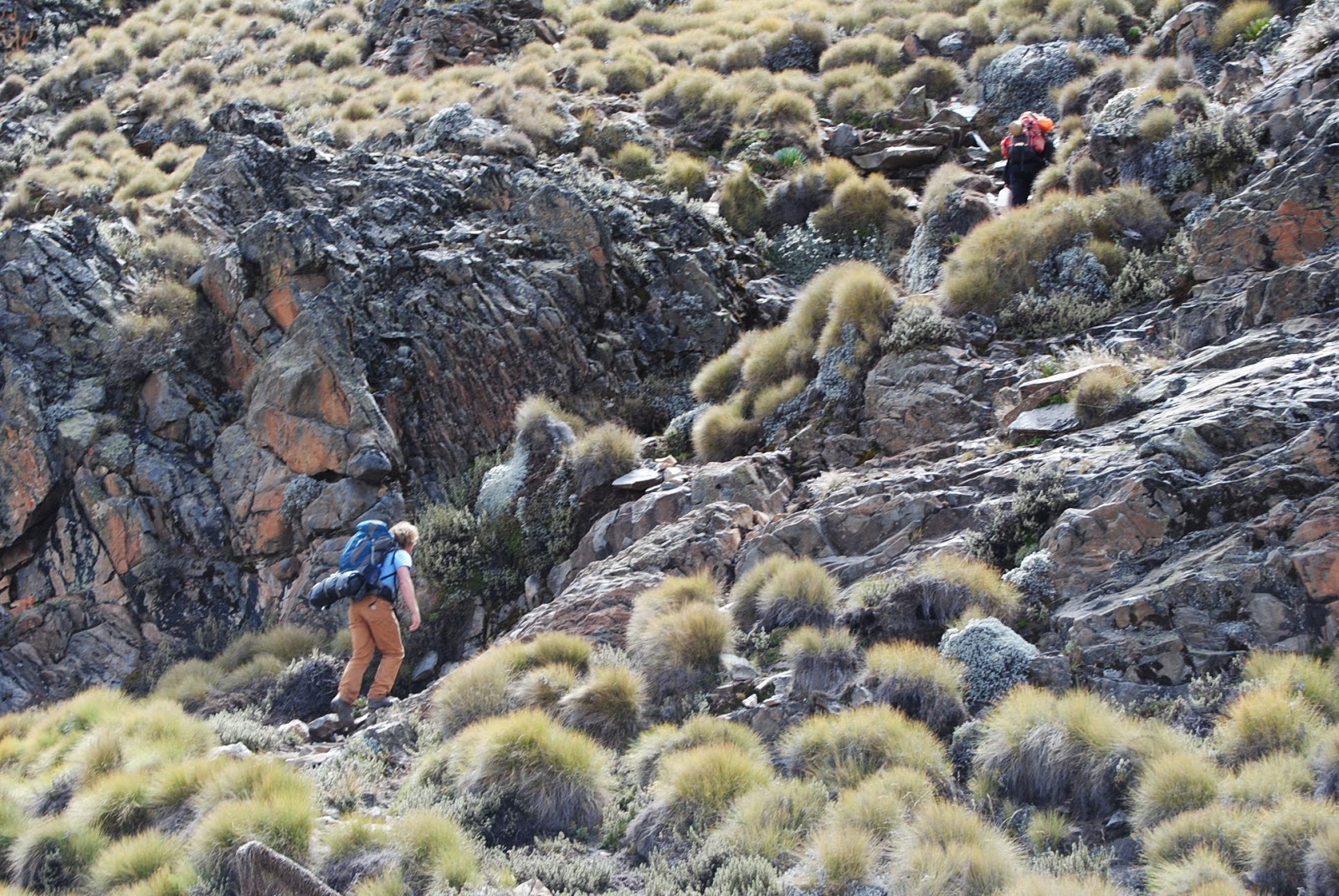
hiking Mt. Kenya

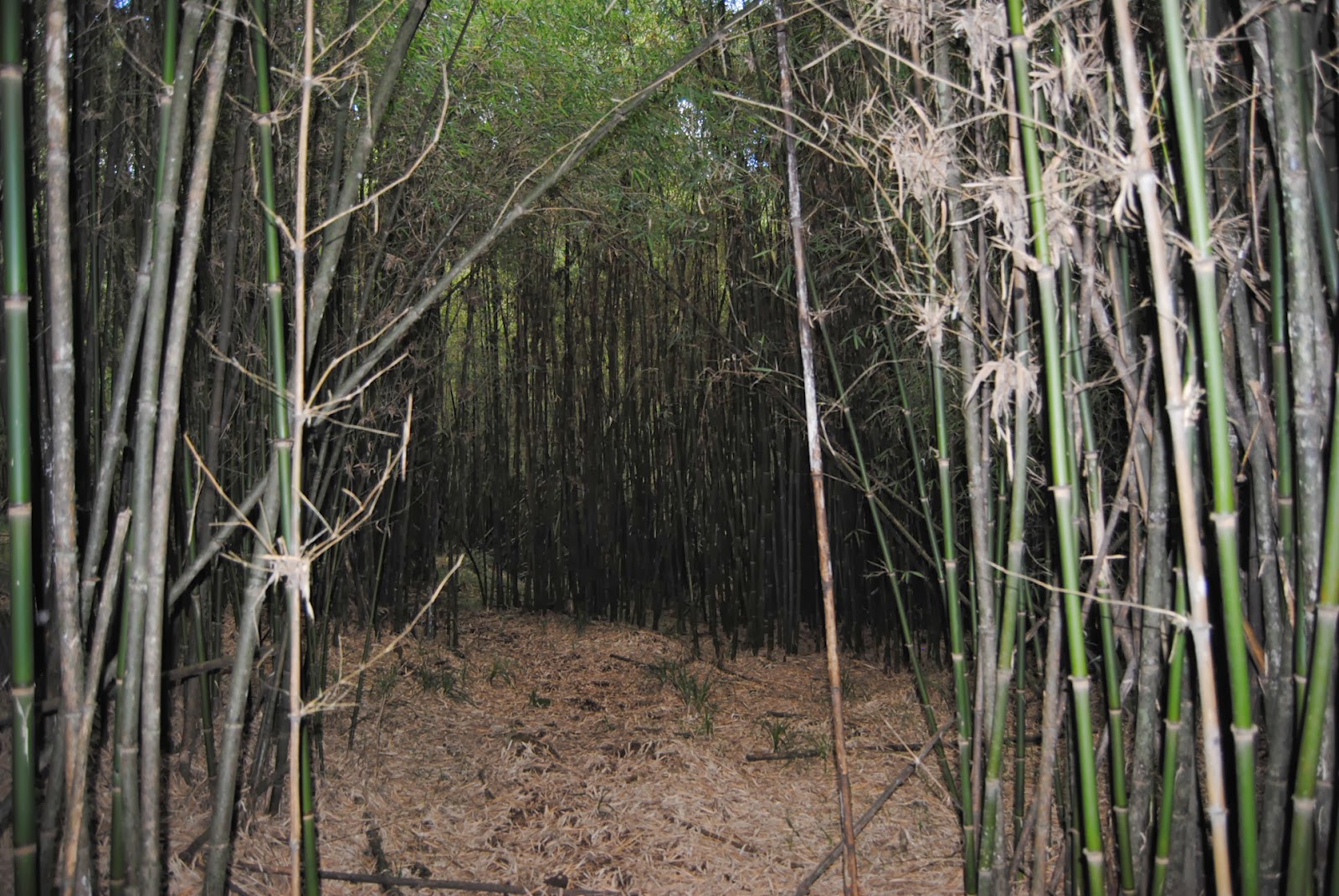
bamboo forest

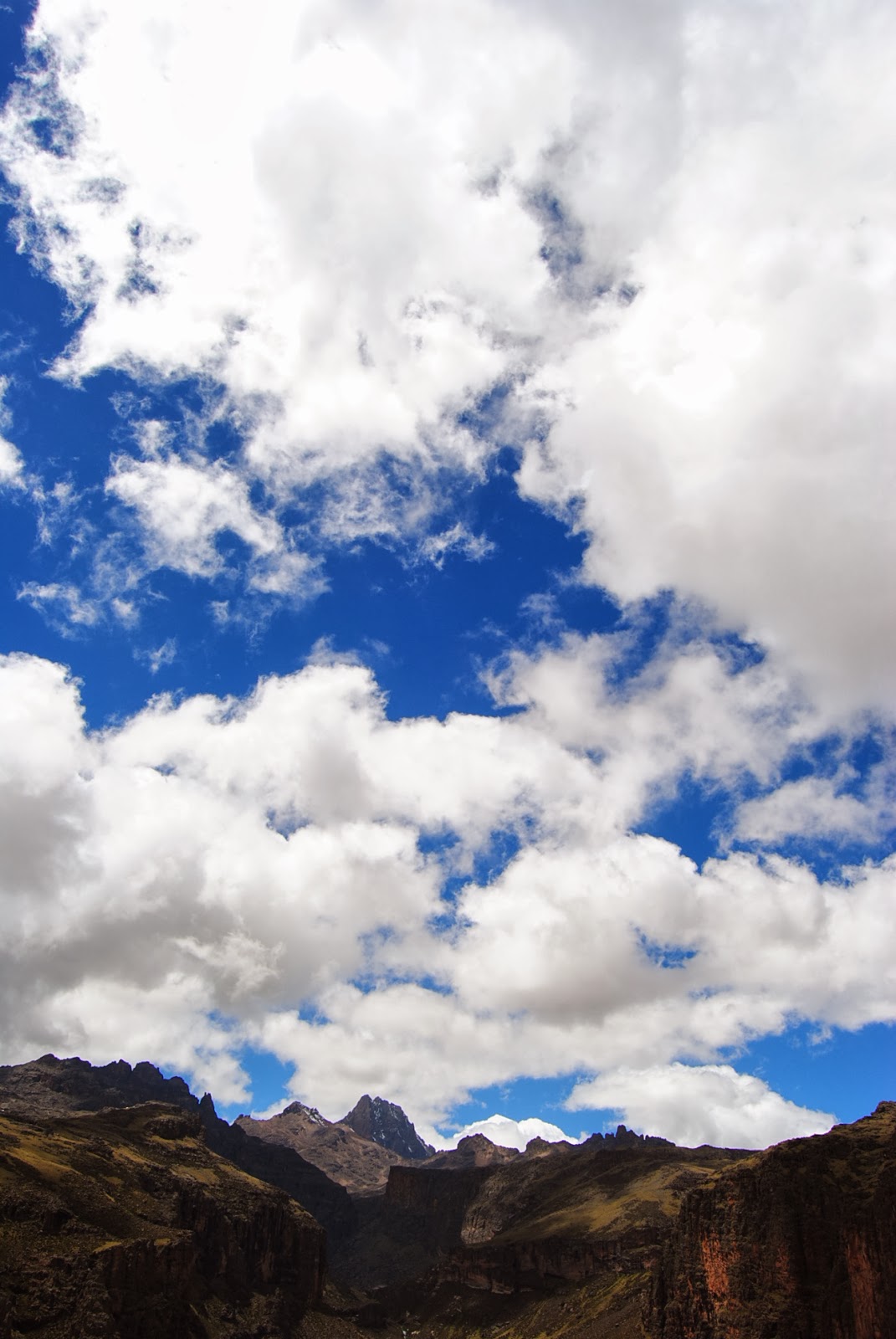
view of Mt. Kenya

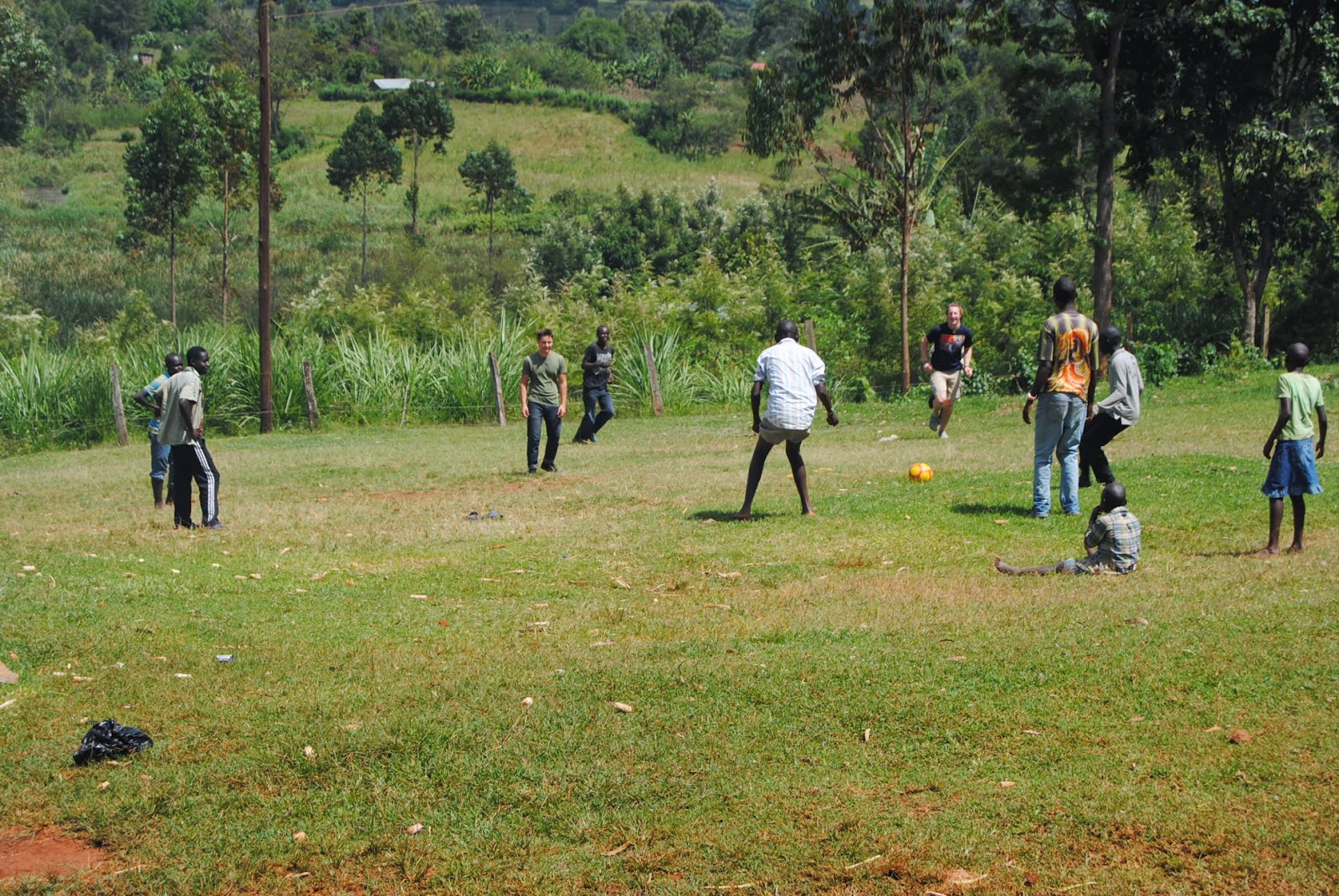
boys playing soccer at orphanage

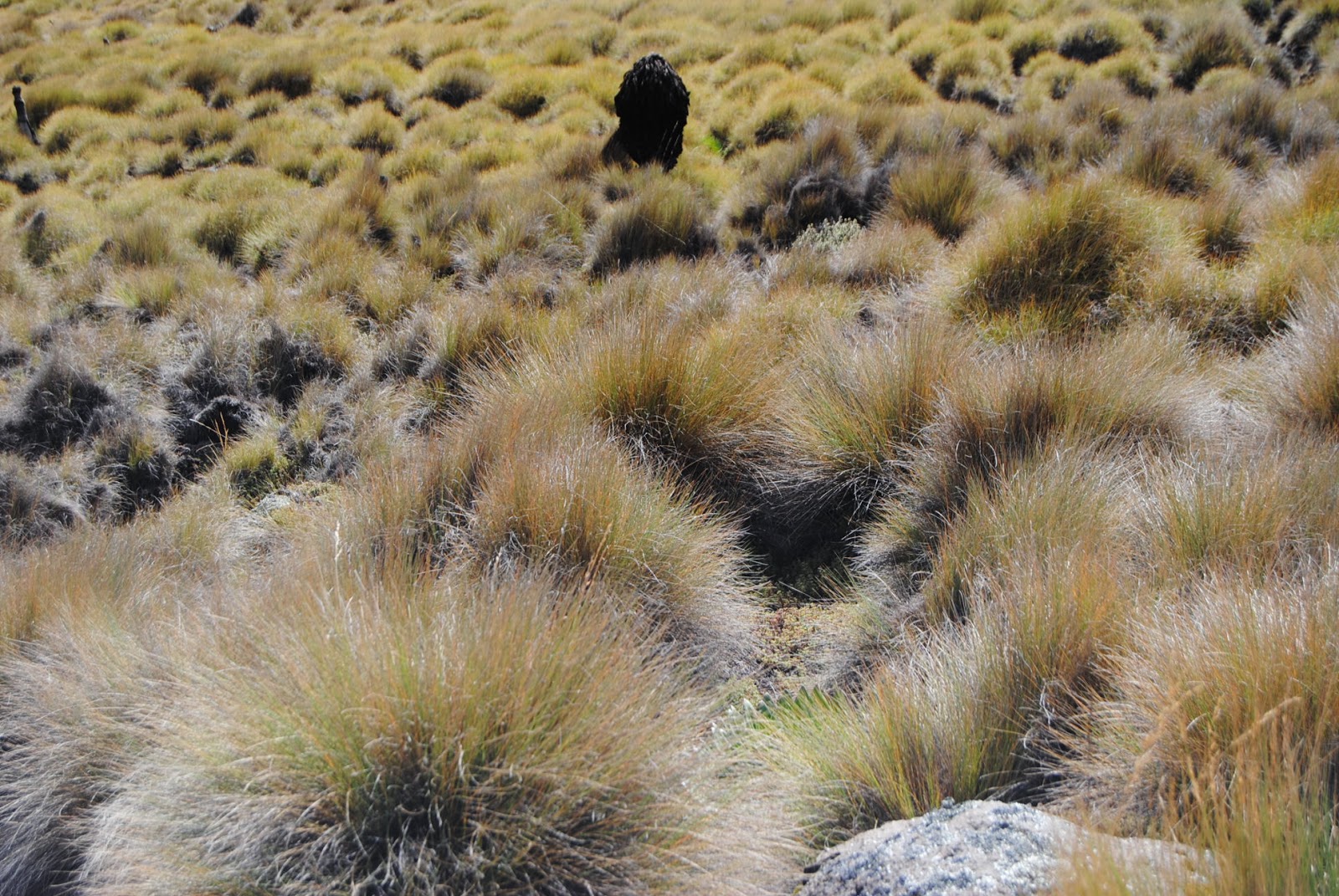
interesting flora on Mt. Kenya


Our holidays this year entailed taking gifts to children at an orphanage in Kitale, about 2 hours northwest of here, and making sure our guest, Jackson Grimm,  got to see some cool stuff.  We decided to go on a camping trip to several different areas. The only thing Jackson was sure he wanted to do was to climb Mt. Kenya, the highest peak in the country, and the second  highest  in Africa. So…we got a guide for the boys, set a date, and waited for his arrival. Meanwhile, our church, the UU Congregation of Columbus, Indiana, raised some money so that we could purchase individual gifts for all the of the kids left at the orphanage during the holidays.  A friend brought us red and green M and M’s so I could make some festive cookies, and Jack brought along some candy canes as a special treat. He arrived on Christmas Eve, pretty exhausted but raring to go. We had been packing gifts and baking for the last few days, so we loaded up the Prado which we rented from IU, and got ready to” Bounce” (literally!).

 Kenya is a large country…as big as Texas, and it is incredibly diverse… culturally, geographically and biologically.  Since we are residing on the western side of Kenya, we had not yet spent much time in the east. We love to spend time in the countryside, so we were excited to go to new areas and see guaranteed to be spectacular scenery.  

We spent a very nice Christmas  day with the children at the orphanage and I think they were both stunned and thrilled by the gifts which we brought along. For many of the teenagers it was the first time in their lives to receive a personalized wrapped present. It was an incredibly sunny and bright day for Christmas and we enjoyed playing, eating and laughing with them. Many thanks and kudos to the Columbus UUs!

  Mt. Elgon

Mount Elgon National park is about 40 miles from Kitale where the Children’s home is located.  It is remote and quiet and offers some great natural world experiences including an incredible night sky. There are caves formed from ancient lava tubes,  beautiful  bluffs to climb,  enormous trees, and large and small wild animals . Since it is the second highest mountain in Kenya, it seemed like a good place for the boys to acclimate before climbing their mountain. Coming from the flatlands of the Midwest, we knew Jackson would need an opportunity to get used to  the elevation and Michael really wanted to climb  the peak  as well to prepare for his climb to Mt. Kenya in  February.

 The day after we arrived we all climbed the Endebess bluff which provides an amazing view of the surrounding region. The boys hiked back, about 14 kilometers, discovering caves along the way. The guide book tells you to take an armed ranger when hiking there, but we have never had any reason to do so and having any armed person with us makes us more nervous than running into a water buffalo or forest pig. Personally, I’m not great at climbing trees, but pretty quickly it became clear that Jack and Liam could do that easily if need be! We knew they would have stories to tell at the end of that day and they certainly did, especially after trying to enter  a bat filled cave!

The final full day that we were  at Mt. Elgon was much anticipated because we planned to climb to Koitoboss peak at 4222 m.  Since I’m always conscious of the possibility of hurting myself I was hesitant to go along, but Michael encouraged me. Fortunately the weather is dry at this time of year so we left early under another clear sky and no rain in sight. We had met some young Kenyans the day before who were staying nearby and they had requested a ride to the peak road. There is a 36 kilometers drive and then an 8 kilometers (about 48000 ft there and back) hike to the peak. We told them they were welcome to  come along and they were ready to take off at 7 am as planned. It was a group of very nice young professional Kenyans; a dental surgeon, his assistant, and his wife, who is a lecturer at Mt. Kenya University in Kitale. They were cheerful, game for the adventure, and prepared with snacks and beverages in their plastic grocery bags. Chepkorir, the dental surgeon, was quite chatty and we had a nice conversation about Kalenjin culture. The drive up the mountain is quite daunting   but the variety of fauna is very interesting and changes quite rapidly as you gain elevation. There are huge Podo trees, with enormous twisted trunks, giant figs and also giant parasitic figs which grow attached to other trees and have great vines coming down from their branches. There is also a  bamboo forest on the way up,  and then when you get close to the peak trail it turns into afro-alpine  moorland with odd trees and other flora that are not found in the U.S.

We arrived around 9 am at the beginning of the trail and the Kenyans (carrying their plastic grocery bags) and the boys took off immediately, headed towards the peak, which was not yet visible. Michael stayed behind to accompany me. The day was long and the climbing was not easy. The paths were very rocky with various other obstacles along the way, including sticky mud, broken branches, and boulders to climb over.  Since it is an extinct volcano ( last eruption 12 million years ago), there are all sorts of interesting rock outcroppings along the way. As I doggedly trudged along I would glance up from time to time to see the silhouette of what seemed to be a big boy standing on a huge boulder in the distance. Although that image made me gasp, I was so preoccupied with not hurting myself I could hardly be concerned about them!

 After a few hours it was lunchtime. I was getting very tired and with the elevation I was starting to have trouble breathing. Another hour or so of climbing, after getting within 1000 ft. of the peak was all I could manage without great discomfort. I have never been a big “gotta do the big thing to notch my belt” person, so I was happy to stop and wait. Michael went ahead and I lay down among strange mosses and lichens,  took a nap, then hid behind a boulder to wait for them. It was so peaceful and beautiful just lying there listening to the trees shake and the few birds cry. I waited a couple of hours, all the while watching the peak as the wind picked up and the temperatures dropped significantly. Unfortunately, a completely clear day turned  cloudy with giant wisps of clouds encircling the peak. It  started threatening  to rain as soon as I estimated they were all near the top. Finally, maybe two hours  after stopping I heard a cry from on high. I knew they had made it! Yea! I called up to them and hoped that they weren't too near the edge, then went back behind a boulder to wait in order to keep warm. Finally, they all returned, the boys first, of course, and it had been they who had hollered from the peak, then the Kenyan woman, and then Michael and the other men. Michael had not made it to the peak, but far enough to see the caldera on the Ugandan side,which he described as incredibly beautiful.  He had gone  far enough to gain confidence for the next climb (it had completely fogged in which is why he did not continue) which made him quite happy. It was a long exhausting hike back and by then I was so tired, my legs were like jello, so I had to be extra careful not to fall and break something. It took us at least 2 hours to descend, and it continued to get colder and damper along the way. By the time I reached the car, I was drained of any reserves of energy and just wanted to go to bed (the Kenyans put up a rousing shout for “mama” who finally made it!). All in all it was a great day of challenging hiking, stunning scenery and  good company. And I only fell once, without doing much damage.

The Valley and Lake Baringo

The next day we left Mt. Elgon and headed into the Great Rift Valley. Our ultimate destination was Samburu National Reserve, on the northeast side of Mt. Kenya, where we were bound to see some big animals. Lake Baringo is a freshwater lake on the northern end of the Great Rift Valley and we chose to stop there along the way to break up the drive. 

The Drive. We have this road map, but it is a bit outdated and all of the roads on it, although they are different colors, have the same designation (tarred/untarred). So, it is never quite clear on what kind of road one might end up.  Well, the road through the Rift Valley, was BAD. Worse than any we’ve been on , and that is saying A LOT. (Since returning we’ve had people say to us, “but, there is no road through the valley!”) We drove this road, thinking it would get us to Lake Baringo, more easily than the long way around, but it ended up taking us over 10 hours and it was literally unprecedented…like a rocky path that had been cleared of brush but nothing else. We ran into perhaps 2 cars along the way (200 miles) and probably about 5 shepherds and their cattle/sheep. The landscape is DRY and lots of scrub brush. Pretty in its way, and we did see many  camels which we didn't know Kenya had, but honestly, it was probably the most amazingly poor road one could travel. The valley is hot and dusty and seems quite inhospitable but we were happy to see   a river finally and noted that people were congregated next to it, logically. Bathing, eating, swimming and washing clothes, as well as  watering their animals.  We seemed to be moving out of Kalenjin country as  there was a dramatic  difference in dress and housing , with more traditional looking outfits  and jewellery, rather than the western clothes that we are used to seeing in Eldoret. This was particularly evidenced in the town of Lomut  where we drove through a very crowded  market scene where the people were as dressed as colorfully  as some of the splendid birds that we see here.  
After hours of incredibly slow and bumpy uncomfortable driving, feeling exhausted and frustrated, hungry, thirsty and dusty, we finally found our campsite at Lake Baringo at about 10 at night. Sadly, the lake was flooding and the restaurant at the campsite was not very well stocked or dry,  so after waiting what seemed like forever,  and much to the boys’ dismay, we were served  4  very small Tilapia pan fried whole, fries with crappy ketchup, and thankfully,  cold beers for dinner. We set up camp in the dark, near the lakeshore and I spent the entire night nerving out knowing there are many crocodiles (turns out I am a crocophobe) and hippos in the lake. In fact, during the night we could hear the hippos walking around munching and harrumphing on the grass next to our tent. Needless to say I did not get out as I normally have to during the night! We were pleased the next morning to wake up to another beautiful day and a campsite inhabited by fabulous interesting birds and monkeys scampering all around. It was also nice to learn from the owners that hippos are not aggressive unless they're scared. 

Through Samburuland
After our experience the previous day on the unbelievably bad road, we considered getting on the “highway” but determined, with the help of several others at the campsite that it would be a waste of fuel and time. We got on our way, knowing that the road could be far better or far worse than what we had been on the day before, and it might be very slow going,  but glad  that we would go through some towns so we could at least stop and find fuel. I have a Rough Guides to Kenya also that is fabulous and has all sorts of great tips and interesting little tidbits about things to see/do. I cherish it because although it is a bit outdated it is almost always right! Love that. 
Although it was still dry and dusty, we began to climb into high savannah so the temperatures cooled quite nicely. I was seated in the back so that Jack could have room and a better view, and believe me the difference between a horrible road and a bad road is felt. So we plodded along and we made relatively good time. There were very few things to see along the way except the camels standing on the side of the road, but then at a certain point we began to see different kinds of housing and herders wearing interesting garb as they walked behind their goats, mostly. These were the Samburu people, relatives of the Masaii, who had stayed in the north while the Masaii moved to the south thousands of years ago. Both are pastoralists, and of course at this point both of their cultures have been heavily influenced and potentially degraded by a very westernized society. The Samburu did not seem overly interested in us nor did they beg from us, which was our experience in Masaii land last year.  We were driving through what seemed to be fairly uninhabitable land again, but the Samburu have these interesting little shelters/compounds made up of sticks, mud, and plastic bags. They resemble pictures of a Native American sweat lodge that I’ve seen, but these are for living/sheltering their goats. The compounds were encircled with very thorny sticks acting as fences. The Samburu also wear very interesting clothing…the women wear very large beaded necklaces if they are married and big metal earrings, and the men wear cloth wrapped around their waists, and carry staffs. The men who become warriors (Morans) wear all sorts of interesting garb, including feathers, headdresses, beaded ankle bracelets, colorful  hats, and they sometimes have hennaed hair. As we got onto our next road, we realized that it was going to be dark by the time we got to Samburu National Reserve, our destination. We decided, since we didn’t want to set up camp in the dark, that we would go onto the next town , called Maralal, which had a somewhat appealing description in our Rough Guides. We were all intrigued. It  turned out to be a dusty, dirty town and the most entertaining thing about it was the number of true Samburu wandering around. We spent some time wandering ourselves and found The Hard Rock CafĂ© which was humorous because the “rock” was a diamond. We had a little snack there and then wandered around some more investigating some of the local shops. We had dinner in our hotel, “Cheers”  and that  was Jack’s first experience with a restaurant where most of the food on the menu is not available which is always a little jarring, but one of the ways in which one must “go with the flow” here. After a semi reasonable night’s sleep in a tiny bed, we got up early in order to get to the reserve as quickly as possible.

Well, so much for that idea! We were not 10 kilometers outside of Maralal when we got our first puncture of the day. It’s so nice to have young strong men with you when the tire blows! The boys made quick work of the tire change while Michael provided technical supervision  and I was photographer.  Michael felt strongly then that we needed to go get the punctured tire fixed so that we would have a spare, so we went on to the next village, and after inquiring multiple times, were finally led to the “tire guy”. There we waited while Wilson the tire guy fixed the puncture with what seemed rather rudimentary tools. Liam and I took a stroll around the village because it was also filled with Samburu in varied colorful clothes and I was enthralled. It took a couple of hours to get the tire fixed and by then we had drawn quite a crowd of needy folks. The kids hanging around were clearly hungry as well as some of the adults.  Feeling self- conscious with our packed to the brim giant vehicle, we got some breakfast snacks for the kids and a couple of the old guys which were heartily enjoyed and disappeared quickly.
 Finally we were on our way on a wing and a prayer, hoping that the tire would hold. We gave several folks a lift to what seemed like the end of the earth, and we learned more about them in their and our broken KiSwahili. The first group of women we picked up were going to the next village with their babies on their backs and their important documents and money in small plastic bags. While sweating and scooching to make room for them as they laughed and climbed in the car and passed Jack their empty paint cans, I was able to get a better look at their jewelry which is quite ornate. Liam had asked them if he could take a picture and the “spokeswoman” from the group of three friends seemed to be playing hardball with us as she insisted that he pay them each 100 bob, or a bit more than a dollar. He happily complied but she wouldn’t let him take her photo! She got in next to me all the while, chatting and laughing and pointing out things to the other two women (she seemed quite amused that I had a large carton of eggs on my lap…I imagine 15 eggs at once seems like quite a luxury) not to mention several books. We dropped them at the next village, about 20 kilometers up the road (remember they were walking in the 90 degree heat) and immediately as they descended  from the vehicle, two Samburu men gestured that they too, would like a lift. Of course, we took them. They wanted to go a long way, in fact, beyond our turn, so we told them that we’d take them to the turnoff. Now, I’m pretty sure these guys were shepherds also, as they had their staffs, and were wearing the traditional cloths wrapped around their waists, but I think they must have been long lost friends because they chatted the entire way in Samburu, for about 50 kilometers, and they were not the least bit interested in us! At one point, we saw elephants out the window, our first time seeing them outside of a reserve, so we stopped and backed up to look. They were not as enthralled as we were, telling us that elephants kill people. We tried to encourage them to see the elephants  as beautiful, which they are, but it was indicative of the whole wild animal/human conflict still going on here. After that, the guy closer to the window kept hollering a warning about the “ndovu” to the shepherds that we passed.  They gave me a hearty handshake and said “Thanks” in Samburu, posed for a picture for Liam and then were on their way, another 30 kilometers or so. They had said they were going to town, but we were trying to imagine them walking back in the  dark…maybe another nice driver would pick them up on the way back. Soon we picked up another woman and her small child with his chicken, who said they were going “not far" and after driving 30 kilometers we wondered what her definition of "far"  was..but suddenly we heard the whoosh of a tire leaking quickly and everyone had to get out. I apologized to the woman as she looked quite worn out but she thanked me and they hoofed it up the road. Within 10 minutes they were no longer visible. Meanwhile the boys got to work. At that point it was midday and very hot and dry, so the work did not go as quickly.   Fortunately, we were only about 15 kilometers away from Archer’s Post, which is the town just before the entrance to Samburu Reserve. UNFORTUNATELY, about 10 minutes later, just as we turned onto the first paved road of the day, ANOTHER tire popped and this one went down so quickly it was like a balloon popping. Well, now we were SOL as you can imagine; out in the middle of nowhere and no tires! So, there was nothing to do but try to hitch a ride. I was convinced by the group to let the young men stay on the road and go with Michael to town so I “wouldn’t worry” too much. They had plenty of water and food, their instruments, sunscreen, and are strong, so I wasn’t too anxious, except that we didn’t know how long it would take and the day was now getting to evening. Fortunately, as soon as we started standing on the side of the road with our tire, a pickup/camper came barrelling towards us, slowed, and stopped. It was a  German couple who had been traveling for 15 months and were heading south from  Ethiopia and to the next town. They happily took us on and drove us to Archer’s Post, where a young man jumped on the runner and showed us to the “tire guy”, named Michael. We said our thanks and goodbyes and spent an hour or so waiting for Michael to fix the puncture. He seemed much more likely to do a good job because he actually had some equipment and  an air compressor. Meanwhile, the young man who had shown the way, Lawrence, became our new best friend, guiding me around the village, telling me about the Samburu, finding us a taxi back and helping us load the tire. A very nice guy but like many of the folks in that area, seemed a bit desperate and also a bit high. Kat, which is a common stimulant chewed in that region, is found everywhere and I swear everyone was chewing it. We told Michael we’d be back soon to bring him the other tire but at the same time were realizing we were not going to make it to the reserve that day. We found the boys next to the car, safe, sound, and cheerful, as they had expected us to be gone much longer.

We drove back to Archer’s Post, bought a few items for our next campsite meal, located a small “guest house” that seemed ok, and then tried to find some food without much luck. Meanwhile the tire guy fixed our other tire so we had a spare. The guest house turned out to be a disaster as there was no ventilation and the boys had no working mosquito nets so they were up all night killing mosquitoes and laughing, groaning, and generally keeping us up as well. The estimated number of mosquitoes in their room was 1000 which they spent most of the night slapping with flipflops. At one point management arrived because Liam broke a window in his zeal to kill mosquitoes.  One thing I don’t expect anymore in general is a good night’s sleep, but definitely not on these camping trips. We got the hell out of there as early as possible the next morning and headed to the reserve.


Samburu National Reserve

Although dry and scrubby, Samburu is known for big animals, which is why we were there. There is a lovely big river, the Ewaso Ngiro, that runs through that area and right through the park which is what attracts the animals. We were not disappointed, as we began seeing animals as soon as we got through the gates. Impala, antelope, oryx, and then elephants and giraffes, and some incredible birds, as we drove to the public campsites, which were located right on the river. The river has hippos and crocs, so again, I was a little nervous about camping right next to it, but we were up on a ledge, under a lovely giant tree, and I figure the crocs would have to be super hungry to climb up there! After setting up camp we ate a hearty breakfast and spoke to a local guy who offered to get us wood and guard our tents because the monkeys there are so aggressive they jump on tents and tear them up. We were a little sceptical of this but there were several monkeys surrounding us in the trees and suddenly one jumped down and stole an avocado from my basket! Jack and Liam spent some time that morning chasing monkeys away and yelling at them so that they might not come back, but it didn’t really work. So we hired this young man, Marcos, to watch the camp while we went looking for more animals that afternoon after taking a nap.

It was New Year’s Eve so we decided to go to the lodge at the park for a drink before going to bed. There was a party going on there, with music and food and a Samburu speaker describing the culture. Although the setting was lovely, there were 15 enormous disgusting crocodiles sleeping with their mouths open on the river bank just under the patio. Upon seeing them I was not so thrilled about being there. We didn’t stay too long but had a nice time visiting and listening to the program. We went back to camp and had a quiet albeit hot night under the brilliant starlit skt. The next morning we got up early and went for another drive, seeing many more elephants, Impala, Gerenuk, giraffes, lions and other impressive  animals. It was a short, albeit very gratifying visit. We left after breakfast and headed towards Mt. Kenya.

There is a town on the northwest side of the mountain that we had visited before and we happened to know that there is a good restaurant there (rumored to have the best burgers in Kenya).  In order to celebrate the New Year we decided to take the guys there before they set off on their big hiking trip. After a delicious lunch,  we found  a cool place to camp on the north side of the mountain. Down an unexpected dirt road, there is  an old trout farm which welcomed campers. It turned out to be a lovely old colonial era farm with beautiful gardens, a lovely view of Mount Kenya, and an old farmhouse with rooms for rent. We surprised the people working there because they don’t usually get company, but they treated us very nicely and even let us use the old house to bathe and hang out in. The camping, although chillier than what we were used to, was awesome, because it was on grass rather than hard dirt, and again, the night sky was amazingly clear and bright with stars. AND there were no crocodiles!


Mt. Kenya
vulturine guinea fowl in Samburu Reserve
picnic on the way to Samburu

boys hanging laundry

Samburu dancers at New Year's program


sunrise over the river in Samburu Reserve

2nd puncture of the day

Samburu men hitching a ride

loading up!

waiting for tire to be fixed

signage

road through Samburuland

Samburu warriors on bicycles

Storefront in Maralal

Samburu women who hitched a ride with us

Jack with Samburu warriors on roadside

Michael playing Santa Claus

counting gifts and checking our list

passing out gifts

passing out gifts to Kitale Children's home kids Xmas day

Impala females

giant Podo trees Mt. Elgon

moorland on Mt. Elgon/peak is visible in back

Liam and I Mt. Elgon

lion cub, Samburu National Reserve

Michael and I climbing Mt. Elgon

At the beginning of the trail, Mt. Kenya

Jack and Liam on the peak of Mt. Kenya

Jack and Liam on the peak of Mt. Elgon

heading into the valley 

on Endebess Bluff at Mt. Elgon National Park

After two days and nights of  relaxing and not driving, we took the guys to Chogoria where they met up with their mountain climbing guide. We left them at about noon, making sure that they had all their supplies and having met the guide who seemed as nice in person as over email. It was a little nerve-wracking just leaving them, because we were heading home and would be completely out of touch for five days (first time for Liam!) but their trip was great and they had the climb of a lifetime up Mt. Kenya. We headed home and arrived late that night after a long drive on mostly fair roads. The first part of the drive was around Mt. Kenya which lends itself to beautiful scenery for several hours. Mount Kenya historically is much revered by the Kikuyus who live in the Central Highlands, and the area is perhaps the lushest and richest in Kenya. Once you enter the Great Rift Valley again, the roads go downhill and it becomes a lot less lush although the vistas of the escarpments are quite lovely as well. Our trip showed us once again how beautiful this country is and how much more there is to see.Travelling here always makes us remember how lucky we are to have this opportunity for adventure and encourages us to go again despite the bumpy roads along the way!

Saturday, December 21, 2013

It's A Different World During the Holidays Too!


As I have maybe mentioned to several folks, it’s a bit hard to get into the holiday spirit here in Kenya, for us, at least, since we have no family here aside from ourselves…plus the weather is so not wintery I keep forgetting it is even December. I realize of course that people live in places with weather like this and celebrate Christmas and it really has nothing to do with the weather, but since I’m a Midwesterner, the weather does set some tone for the holiday season. Otherwise, the holidays are usually all about family and close friends; spending time together, baking cookies, singing, decorating our tree, and taking walks on our property in wintery weather. We have managed to decorate a teeny bit this year and I have baked some cookies, but I’d say it’s a bit minimalist….which is fine, actually.
In fact, our holiday attention has been focused on providing some joy to orphans and others with almost nothing. I have spent several weeks recently decorating 3000 cookies, and packing 800 gift bags for the various orphanages that are recipients of kids from Sally Test Pediatric Center, where I volunteer. We are delivering them on Monday. I can't wait to see the kids' faces! We decided as a family that we would  spend this Christmas day at the Kitale Children’s Home, which we and our church in Columbus, have been supporting in various ways,  for about 6 years. Thanks to the generous donations of the UU Congregation of Columbus,IN and a few others, we are going to bring the 15 or so orphans  who are left there for the holidays some gifts and treats, all things that they never get (new clothes, new dictionaries, new pens and some homemade cookies). We are looking very forward to it and are very grateful for the donations and good will.
Last year at this time, I posted some “alternative gift ideas” and some thoughts on sharing with folks who really need it. There are folks and organizations round the world who have great needs, and like everyone, we are being bombarded by requests for help/donations. However, since we are here, and the needs are great, we are going to make our donations here. We feel blessed and lucky to have this opportunity here in Kenya and believe that the least we can do is to make some children’s Christmas day  a bit brighter. 
On an ongoing basis, there is a ton of need here in Kenya. Over this past year, we have focused in on a few ways for people at home to help with various projects that we are involved in. In fact, we have been working on setting up a nonprofit, with 501 © 3 status, but we have not yet accomplished that, for various reasons. We do have an account set up in Columbus, but we have not yet received our status approval from the IRS. Our company, EcoSource Sustainable Initiatives, is focused for the time being on helping individuals and organizations here in Kenya become more sustainable.
The Kitale Children’s Home is one of our recipients because they need help making their farm more sustainable and getting more of their kids into school. This past year we (again with the help from our Unitarian Universalist Congregation at home) were able to purchase them a bunch of fruit trees and some water tanks for collecting water, and we had their pump fixed. This will enable them  to grow more of their own food to feed the children (mangoes, papayas, passion fruit, guavas, and avocadoes do well here) and also they will not have to pump so much water up their hill in order to water the trees, gardens, and animals , saving them fuel costs. We plan to provide them with fencing for protecting their trees from their cows, and some more trees once we get a few more funds. They have been very grateful for all of our help. Theirs is a long term need situation. This couple started this orphanage with little help at the height of the AIDS crisis. They used to have two…one in a Nairobi slum, and one in the countryside in western Kenya.  Without an ongoing financial sponsor, they are in a constant state of need. They don’t just need trees and fencing, however. They have 70 children whom they are trying to educate and several who need sponsors. To us, this is all part of their mission and our efforts to help them keep them going and able to help the kids. Please consider sponsoring a child who is ready for High School. The fees are about $800/yr (paid in 3 parts).
 Aside from the Kitale Children’s home, we want to provide urban gardens and edible forests for families here in Eldoret who don’t have the means to get them set up. For $100 we can buy a lot of trees and employ someone (always a good thing) to plant them, plus a little fencing to protect them.  We are in the process of helping a guy that we met who is a polio victim, has no use of his legs, but has a family and a small place to live that someone donated to him. We are planting a garden, putting in some trees and fencing, and trying to help them find a water source.
Another pet project is the reforestation of the Pambo Sabor Forest near Eldoret. 90% of Kenya was deforested and thankfully there are groups here hard at work to reforest, but there will never be enough trees and habitat for all the wildlife, birds, and pollinators. This country has one of the highest levels of biologic diversity in the world, but due to fuel and cooking needs, trees are still being cut down all over the rural areas. Our goal is to help reforest this one small swath of “highlands rainforest” nearby.
It has taken us awhile to hone in on how we could contribute here because  there is so much need it’s almost overwhelming some days. So, we decided to go about it this way.  We welcome anyone’s help or thoughts on any of these projects. We feel pretty passionate about them and strongly that through reforestation, education and sustainability efforts, we can actually help the folks who need help in a real sustaining  way.   Please let us know if you’d like to make a donation and we will send you our PO Box in Columbus. Your donation will be tax deductible in 2014. Sorry for the delay but some things are out of our hands (many, in fact!). WE plan to pursue other sources of funding as well but for now, we have to do this little by little, drop by drop, and every little drop counts! Thank you if you have already supported our efforts here financially. It really means a lot to us and is quite heartwarming. Be safe and have great holidays. Happy New Year!

Saturday, November 30, 2013

A Roller Coaster Ride


We met Dennis on the street near our house . We saw him frequently, both separately and then finally together one day. We couldn’t figure out why he was always on the street when he clearly should have been in school. The third term of the school year was in full swing and here he was, looking forlorn, clearly not well fed, dirty and always alone, and was usually struggling to carry some heavy object, like a large water or milk container. We knew by then that primary school is mandatory so it didn’t jibe. He was also curious about us, and particularly about Liam, as he always asked me about ‘my boy’ and wondered where he was in school (this was when Liam was enrolled in the Kenyan school, his first term).He was friendly, polite, and had a sweet smile.
Although Michael and I  weren’t spending much time focusing on understanding Dennis’ situation, partly because we were confused about many things that we were encountering, our curiosity was heightened one day when we ran into him while walking together. We  began to greet him but he suddenly ran away like a scared rabbit, no doubt  because I asked him one too many questions.  After briefly discussing our individual “takes” on Dennis’ situation, we began talking about what we might do to help him out. He should be in school, we agreed, because otherwise he was just going to end up living in the streets or worse. We weren’t aware, yet, of his familial situation, so we needed to do some investigating.
The next time one of us saw him, we invited him to come to our house for dinner one evening. He came, happily, with a large hunger and a lot of woes. We found out that evening that not only was he not getting enough to eat, he was usually left alone by his grandfather, whom he lives with, because his grandfather often goes to Nairobi, driving for a local businessman. Although Dennis has a family, his relations with them at that point seemed to be tattered, and he was having trouble figuring out how to take care of himself which was what he seemed to be expected to do.  He was 11. Unfortunately, Dennis had been chased out of his mother’s house six months or so before we met him because his “stepfather’ did not like him around. Why was he not in school? Grandfather has a lot of his own children and several wives, apparently, and cannot afford to send him to school. For the perennially impoverished, school here is quite expensive. Even public school requires that you buy a uniform and books every year, which is impossible for a lot of folks. So, Dennis, it appeared, because his father had left when he was a baby, and his mother’s family was not willing to take him in, seemed to be the “odd man out.” We were and still are befuddled by this situation but it has proven to be true many times this past year.
 That night, overtired and dirty, Dennis ate voraciously, tried to explain his situation to us in his broken English, and was on the verge of tears most of the evening, genuinely unhappy with his current situation as the kid that no one in his family wanted. Needless to say, albeit, wary not to interfere too much, we were motivated to try to change his situation a bit.  We were impressed both by his sincerity, his motivation to go to school and that he had not actually gone down a different path, which could have been much worse.
Often  the combination of poverty, overlarge families, and no societal safety nets pushes kids away from families and into the streets where they can find community(other street kids), food (they dig through the garbage mostly or get waste from restaurants), sometimes avoiding aggressive and unpleasant adult behavior at home. We had already knew a bit about  the street kid situation in Eldoret through our involvement at Tumaini Drop In Center so we could sense how close Dennis had come to going that direction. Having avoided that, he had shown some self preservation skills, anyway.
Any  uncertainty about helping  Dennis  was washed away after speaking to his grandfather. Grandfather was not showing much capacity to care for him nor interest, for that matter. He was using him as a mule, to haul water and get him stuff, yet not providing for him when he left town. Soon Dennis began hanging around our house a lot, mostly for meals, and then he would go back to his grandfather’s shack. Over time his stays here became longer and longer.  Needless to say, he loved the attention, the food, the clean bathroom and hot shower, and having a “big brother” in Liam to play with.
Suddenly one week, he stopped coming. I began to get worried but since we didn’t completely understand his home life we did not pursue it for the first few days of his absence. Towards the end of that school week he reappeared, wearing a very tattered school uniform, seams badly sewn, hems ratty, patches here and there, but a uniform nonetheless.  I asked him what was up and he tried to explain to me that he had been walking to the next town, where he had been in school the term before, to take the final exams. I was NOT able to comprehend what the heck was going on. How could he take the exams if he hadn’t been in school all term? It made no sense to me. Plus he was walking at least 6 miles each morning to and back each afternoon, ON AN EMPTY STOMACH to get to the school. Grandfather, apparently, had procured the beat up uniform and forced him to go to prove that he was in school because you can get arrested for not sending your kids to school! I found out from a Kenyan friend that some people send kids just for exams so they won’t get in trouble for not having them enrolled in school.  I left that discussion, feeling angry, sad, and completely unnerved.  The value of an education here cannot be overstated. It is, in fact, the only way out of grinding poverty and everyone is striving for it, although many are not attaining it. No matter how we view the “system” it is greatly valued by the Kenyans  who perceive it as  over expensive, required, highly respected, and very difficult for families of little means.
The end of the term was nearing and upon the advice of some other Kenyan friends, we asked Grandfather if we could provide Dennis with schooling next term. Of course he accepted. We went with our Swahili teacher and met with his mother in her garbage strewn neighborhood in Milenne, a slum outside of Eldoret, to let her know of our intentions. We caused quite a spectacle that day and although he was taunted by the neighborhood drunk, Dennis stood strong and proud and introduced us to his mother, promised to work hard, spoke clearly about his desire to learn and get back in school, and his mother gave us her blessings while crying and bemoaning her situation and the fact that she is unable to care for her children well (there are at least 6 others all younger than Dennis). We left that meeting feeling discouraged and a bit helpless although buoyed by the notion that at least we might be able to get Dennis onto a better track.
We enrolled him at the Lions School which is right down the street from us because I knew he had a lot of gaps in his education and that he would need monitoring and help learning how to study. 
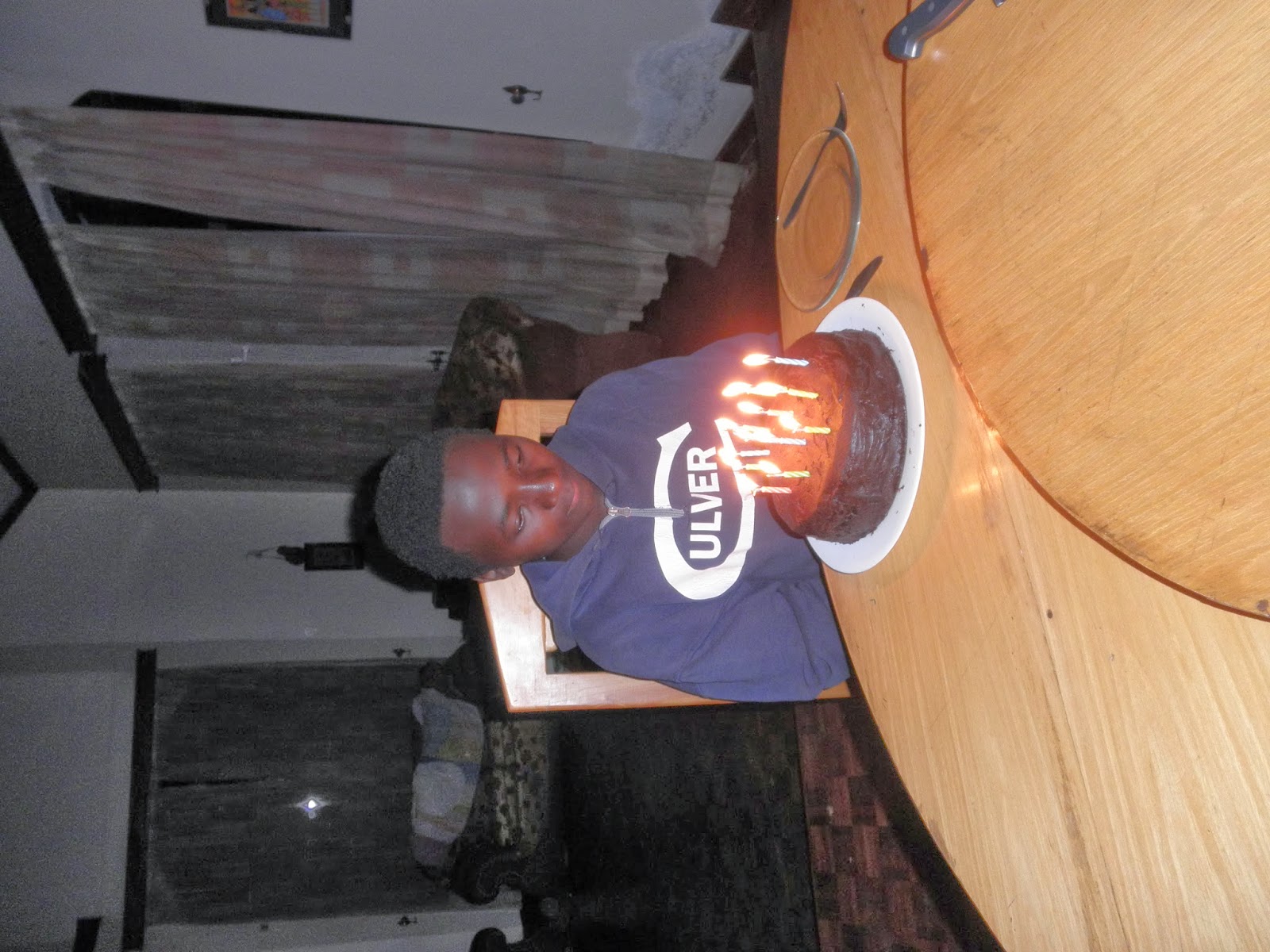
Dennis' 12th Birthday Nov. 2013. First birthday cake and presents!

with Jeannette and Liam Feb. 2013

Making a cake with Liam early 2013


with Nick and Liam July 2013

first day of school Jan. 2013


MG's birthday Nov. 2013
The local public school was an option but I had heard enough about the classes with 80+ students in them that I really wanted to get him going in a place that would be supportive and where he could get some much needed attention.
The day we went to get Dennis’ stuff for school was the day he thought he’d  won the lottery. He was practically floating he was so excited.  He needed all of the essentials for his uniform:  socks, black shoes, Lions School sweater, two pairs of grey shorts, white shirts, and Lions School tie. He also needed a “sports suit” which oddly is not the same color as the Lions School colors. After we purchased all that, he carried the big overfull plastic bag across the street as we headed to the School Depot where the books and school supplies are sold. I looked over at him noting to myself that he had probably NEVER had anything new and his own in his whole life! “Are you happy?” I asked. With a broad smile, the likes of which I’d never seen, he said “I’m as happy as a king!” Seeing him so happy brought tears to my eyes.  We headed to the school supply store and got all his books, notebooks, pens, erasures, etc. At the end as we checked out and the salesperson loaded them into a box, he said to Liam, “these are for you.“ “No man, these are for you!” Liam said, smiling at him. “I’m not in Standard 5! You are!” I don’t think he could believe it. After all the years of not getting what he needed, he was suddenly getting it all.
 Dennis has been at the Lions School for a full school year now. He has been in Standard 5 because of the gaps. The system here is not designed for any but those who can read, write and regurgitate information. Often the teachers just write notes on the board and the students must copy. At first I was not really aware of these issues and did not follow his work too closely, but after he bombed the first set of exams (there are 3 sets per term and then they are averaged. No other grades…no grades for homework, no participation, and no grades quizzes) I realized that he really had very little idea of how to study and how this program works. So, during the term break, we studied. His math skills were very weak as was his reading. I am no mathematics whiz, but I do know that knowing your multiplication tables at the age of 12, especially if you are going to be  tested all the time, is essential to success!
Now we are at the end of that first school year. I can’t say it has gone completely smoothly, but Dennis’ schoolwork has improved, he continues to try hard, continues to get to school every morning after coming here to dress and eat breakfast, and he studies here and has dinner with us most nights. His family situation has deteriorated even more, with his grandfather disappearing for weeks at a time and leaving him with nothing to eat and no funds. About midway through the school year we realized that we had committed ourselves to Dennis for some time. It seems to be somewhat standard that if you decide to help a kid by sending him/her to school, you actually are taking on all his problems and it makes it very difficult to disengage from his family. We have had several “moments” with Dennis’ mother which have been difficult and unpleasant, we have been conflicted about the entire situation, and we have had issues (relatively minor) with Dennis’ behavior from time to time.   His being a preteen who has had little to no guidance plays a role in his behavior, but in general it’s gone well and Dennis has thrived. He’s bigger, stronger, more secure, smarter, more articulate, and a better student overall than he was last December.  He actually may have a chance of getting out of his family’s never ending cycle of poverty and dysfunction.
We decided early on this year that what Dennis really needs is a safe and secure home where other adults are paying attention to him, especially since we will not be here forever. He really has nowhere to be during the school holidays, despite the fact that his mother has family. We have tried to encourage her to find a place for him to be. We have found a boarding school for him that is out in the country, seems to be well run, and where the adults seem genuinely interested in the welfare of the children. We took him there the other day and although he was hesitant about certain aspects (he’s had his own private hot shower in our house for one, and he loves to eat, for two), I think he realizes that this is a good opportunity for him, and probably the best way for him to succeed in school. The idea of more friends and other adults in his life is motivating as well. We are keeping our fingers crossed that it is the right solution. Dennis has just turned 13 and he is like a whole new person in a lot of ways. He has grown a lot, his English has improved enormously and he is more self confident and becoming more conversational. He still eats like he has been starving but his manners and  his behavioral issues have greatly improved. He has a good understanding of how important it is for him to do well in school. He can now see the possibilities of having an education and what that can do for you here.  All we can do at this point is get him prepared to go and hope that it is a good solution.
It’s been a bumpy year, one in which we’ve learned a lot about the enormity of  taking  on a kid whose situation is so out of our “normal” and what a challenge that can be. There have been many moments of frustration, sadness, anger and even some tears, but I will guarantee you that if Dennis succeeds in school these next two years and makes it through to HS, it will have all been worthwhile.

Dennis' 13th birthday Nov. 2013
Dennis looking at new shoes he received for Birthday.

Saturday, November 2, 2013

WHY I WILL CLIMB MT. KENYA TO HELP FIGHT THE SCOURGE OF CANCER AND CHRONIC DISEASES


Chronic diseases, and particularly cancer and cardiac issues have had a significant impact on my life and the life of my extended family and friends.  I am fortunate at 56 years of age to be of sound body, something far too many others cannot claim as they have been afflicted by one form of chronic disease or another.

So I will get my 56 year old body into the best shape I can in order to successfully make the trek up to the  Lanana peak of Mt. Kenya at 16,535  feet.   As I get in shape I am mindful of the daily struggle others have to go through in their battle with chronic diseases.  When someone has a chronic disease at home it is very, very tough.  Here in Kenya it is regrettably even more difficult due to the lack of trained personnel, adequate facilities and adequate equipment.  At present there are 10 oncologists in all of Kenya and a very, very limited number of facilities that even provide treatment.  The only facility that provides treatment for those of lesser means is Jomo Kenyatta Hospital in Nairobi and it is overwhelmed with demand from both Kenya and the surrounding countries.  The next possibility is Kampala, Uganda. Unfortunately, for those diagnosed with cancer or chronic heart disease, the chance of receiving treatment is very slim and the consequence of that is devastating to the families.

Thanks to the vision and determination on the part of doctors at Moi Teaching and Referral Hospital in Eldoret and the Indiana University led Ampath Consortium there is now a dynamic effort to change the tide of this struggle.    A new 110,00 sf Chronic Care facility is under construction that will house not only treatment space for chronic diseases, but will also provide  research and educational facilities.  The building is approximately 45% complete and is scheduled for completion in January of 2015.  There continues to be a need for additional funding not only for the building, but also, as importantly, the education of Kenyans in oncology, radiation oncology, cardiac and pulmonary care and diabetes.  Equipping a facility of this nature is also a financial challenge.

Clearly our climb to the Lanana peak of Mt. Kenya is not going to raise all of funds needed, however, each dollar and each shilling will make a significant difference.  I am fortunate to be able to undertake this climb with a great bunch of people working towards the same end……..to bring quality care to our Kenyan, Ugandan, Tanzanian and Ethiopian friends and families so that they may live a full life. 

Your support will be greatly appreciated.  You can meet the climbers and make a donation by going to:     http://iufoundation.fundly.com/mt-kenya-climb Your donation is tax deductible also !

Asante sana for your consideration!!!
Michael

Changes of Pace


After travelling for  several weeks from Kenya to the US to France and then back to Kenya, I thought it would be fun to share some of my observations about how interestingly different the pace of life is in these three places and how pace seems  to affect the cultures and mentalities of the people there. When you live in another culture, after some time, what was once “normal” slips away and your new “normal” becomes what you are experiencing in your new home. Thus, when you return home you feel both shocked and amused by how different things are. These are strictly the observations of a lucky wanderer.
Kenya’s pace, anyone familiar with Africa will not be surprised to hear, is slow. People move slowly, work gets done slowly, time is NOT of the essence. The only place that this is not true is in traffic in Eldoret. There is a sense of panic and chaos in the traffic that could cause you to think that things are moving quickly. That is a hallucination because nothing much happens quickly but there is a definite sense of “hustle” when one is on the road. Otherwise, there is no sense of urgency. Time is definitely not money here. There are all sorts of reasons that things move slowly and coming from the U.S., which is quite a bit more fast paced,  it does make one ponder. One of the main things that is different here from the US is that in Kenya , very few people are connected to the internet all the time and very few people on the streets are walking with headphones or blue tooths (blue teeth? ). Most often, here, people get where they are going when they get there.  Sometimes they just don’t show! Our attitude has become “oh well!” when things don’t go as planned, or people don’t show as previewed. What are you going to do?  In the States, some of these situations would be completely unacceptable, people become very uptight, but here, there are many ways to look at it. Some say it’s a lack of respect, some say it’s the issues with transportation and jams, some, the fact that people have family crises regularly. Others are inclined to point out poverty, dependence, and development issues. Whatever it may be, and it may be all of the above, it does increase the necessity to be patient in one’s dealings. The funny thing is, it’s not like people are not under stress here, because they certainly are. Most people’s stress revolves around getting their basic needs met, but for those who are educated and/or in positions of responsibility, they have a lot of personal stress around helping folks in their families as people rely on them heavily.  Life is not fast paced but it tends to be burdensome nonetheless for Kenyans.
Another impressive occurrence, that is reflective of the pace also, is that when you are shopping here, you almost always have to wait awhile to be served in a shop or restaurant. In fact, you may not even be acknowledged until you yourself make a point of going up to a salesperson saying “can you help me?” This has happened to me so many times I am now used to it and sort of assume there is some cultural piece I don’t quite understand.  It seems absurd, indeed, considering that one might assume that a shopkeeper would want to make a sale. Earlier on my reaction would be, “Well! I’ll take my business elsewhere, harrumph!” but since it is the same everywhere, that doesn’t make much difference here. Business practices and standards are quite the opposite here than in the U.S.
 Upon returning home, there was plenty to which I had to acclimate.  I so appreciated the orderliness of the traffic  and I was struck  by the amount of things getting done at once. My first amused moment came while driving on 86th St. and leisurely observing the road around me.  I saw a delivery van that had written across it “EVERY HOUR IS RUSH HOUR”. I think I actually laughed aloud, thinking, ‘well, in some places…”  That sign expressed so well the culture and approach of the United States. Sometimes the mind-set of extremely fast paced marketing/consumerism seems gross, and insincere, but I have to say I did appreciate while home, customer service and attention to detail that is lacking in Kenya.  My second favorite sign that I saw, again on 86th St. in Indy, was a giant big box store called “Buy Baby Buy” Wow! It kind of says it all, doesn’t it?   Sometimes it seems that the U.S. attitude that money should drive all activities and that the sale is always the most important thing is paramount in our consumerist culture. That said, a friendly salesperson, a meeting which takes place on time, with respect to others’ schedules, and a market place structure which is designed to actually help the consumer on some level can create a pleasurable feeling for those not experiencing it regularly. I know it is not like the good old days, when you could actually  talk to a salesperson and get a friendly response, and  certainly the cut throat commercialism is tiresome, but there is a nice in between that can sometimes be found.
France seems to have found it, I have to say. The French, honest to god, know how to live. Aside from having a society that is so appreciative of its history, gastronomic culture and art, it is also a society which does not break people who work, takes care of its people who are struggling, and seems to in general not be so stressed out by the hustle of making a living. The pace is quite different than in the States. According to my French friends, it is becoming more breakneck, in the big cities,  but people in general there are not so stressed because of their need to hustle all the time. There is not this culture of RUSHING RUSHING that you find in the States, and the need to bust your butt  all the time seems to not be present. In places like Paris , where I recently visited, people are rushing, but that is just the essence of big cities. From what I observed, the French,  in general,  have yet to don headphones and blue tooths either in the public sphere so you know they are not as focused on the next transaction or communication as Americans tend to be.  My experience recently, in rural and small town France, was just so pleasant and mellow. I didn’t do much shopping, although I did go to several markets and I found the pace both lovely and enjoyable and the attention (not cloying but friendly) of the salespeople quite pleasant.
 On the farm where I was working, the people had their established routine, and I was pleased to learn, did not get up at the crack of dawn and rush around all day trying to get stuff done before sunset. In fact, they got up leisurely, ate a nice breakfast, drank coffee, then we would go milk the goats. After milking, we would take a break, during which time Farmer Ingo would play the piano, read the paper, drink more tea, and begin to prepare a lovely lunch. One of the best things about the French of course, is that they know how to eat well and they take time to enjoy their meals, their friends and family, over a meal filled with all sorts of delightful dishes. At least the French I know. A meal might include an aperitif, good wine, a lovely salad, good bread,  a delicious assortment of cheeses, fruit usually, chocolate,  and possibly a digestif as well. I know for sure that some of these are skipped during a busy work week, but having a leisurely long meal in a French home is really quite an outstanding and unusual experience for an American!
I also visited friends in the suburbs of Paris, both of whom work full time, but they make sure they eat a nice leisurely dinner, take  time to bicycle, walk or swim each day, and enjoy each others’ company. Both of these families claim that  French society is changing and becoming much more fast paced and “Americanized” i.e. people eating more fast food and processed foods, not spending time around the table, and losing focus on family time, but I did not see much sign of it. I hope, for their sake, they can maintain the balance.
One of my favorite moments relating to pace was when I was helping at a market in France, selling cheese. I was asked to only help when the farmer was not there as he didn’t like us running into each other. I pointed out that it would go more quickly if I helped and that there were people waiting. His reaction was just to look at me and say, “yes, they will wait. They like our cheese. “  He was right. They did wait, and they were perfectly pleasant about it, even when I ineptly tried to give them change! On the other hand, I was at the market in Columbus, not a real fast paced town relative to others in the U.S and I was waiting in line, like a few others . We had been there a few minutes and clearly the vendors were very busy and doing their best to keep up. It was a beautiful late summer morning, not even that hot, but from behind me I heard a woman with a very annoyed voice say,  “for god’s sake, my hair is going to turn grey standing here. “ Really?  If she only knew how most people in the world have to wait and wait for service, food, water, whatever it may be. It  felt like such a teachable moment but I couldn’t bring myself to say anything as I figured if she was that spoiled and impatient she would be unlikely to want to take a lesson from a complete stranger! So her pain became my gain as I again noted my appreciation for a patient, flexible and calm attitude when it comes to waiting, wherever I am in the world!